What are the concrete ideas we are speaking about? What role do they play in modern society? How can we connect those different complexes?
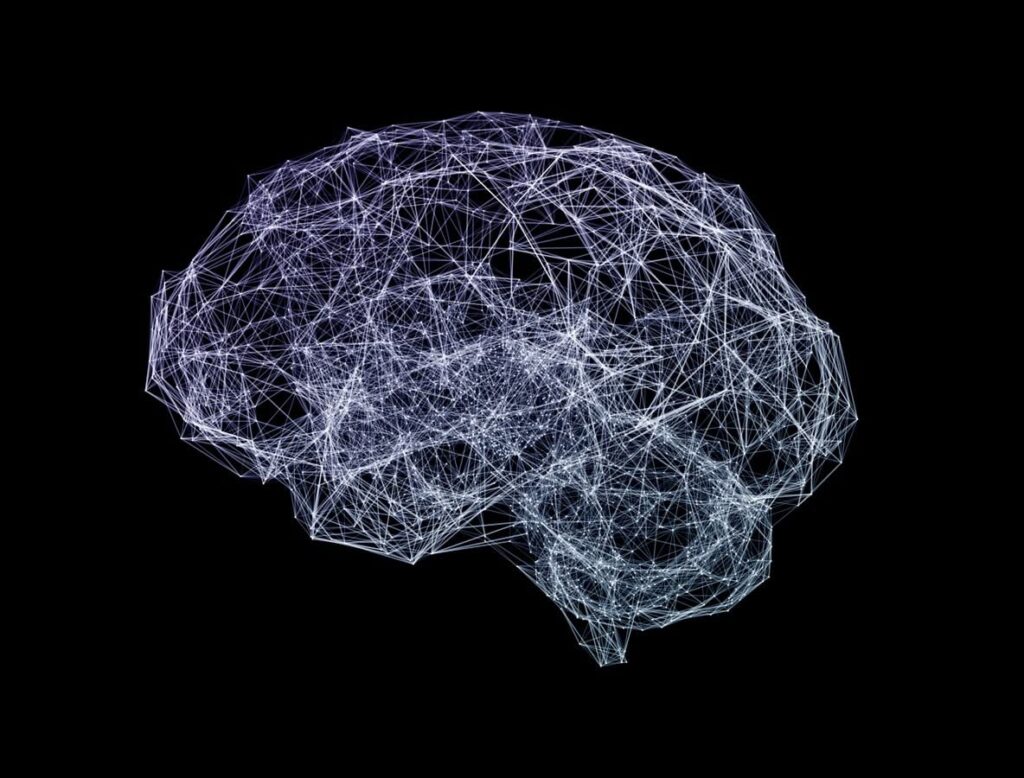
Neuroplasticity
Neuroplasticity (also called brain or neural plasticity) is the brain’s biological capacity to reorganize and modify its neural connections throughout life in response to environmental stimuli, experience, learning, or injury. It encompasses changes in neuronal structure and/or functional responses, allowing the brain to adapt physiologically or even alter its anatomical structure.
Key terms & related concepts: synaptic plasticity (strengthening/weakening of connections), structural plasticity (physical brain changes), functional plasticity (regions taking over tasks), neural pathways, experience-dependent plasticity, hebbian learning (“cells that fire together wire together”), and neurogenesis (new neuron formation in some areas).
Example/application: When you learn a new language like Italian, repeated practice strengthens neural pathways for phoneme recognition and vocabulary, visibly changing your brain’s structure over time; this process shapes identity perception because your accumulating experiences literally rewire who you are—each new skill or memory physically alters your neural architecture, making identity a dynamic product of ongoing plasticity rather than a fixed trait.
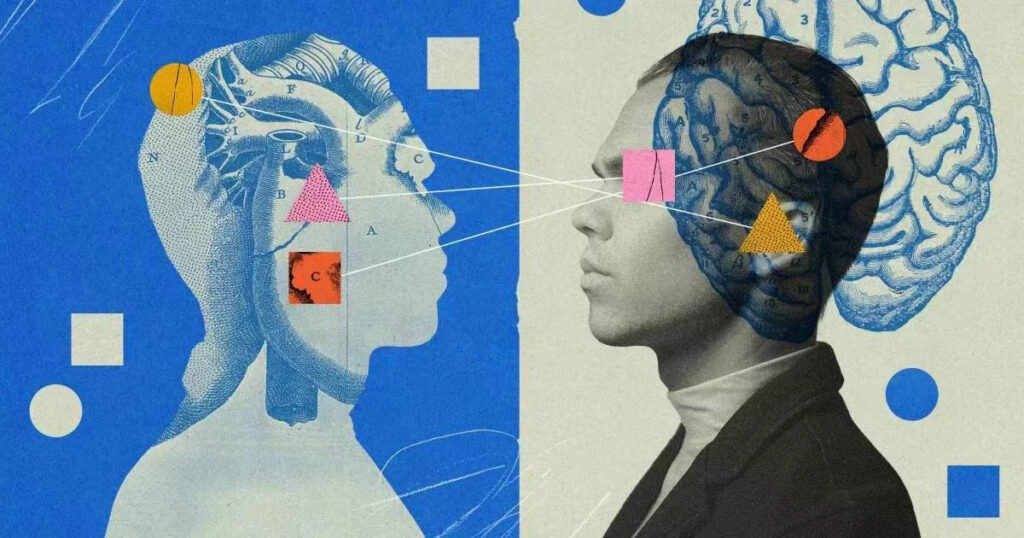
The Theory of Mind
Theory of mind is the cognitive capacity to understand other individuals by ascribing mental states to them—recognizing that others’ beliefs, desires, intentions, emotions, and thoughts may differ from one’s own. It enables inferences about others’ mental states and uses them to understand and predict behavior.
Key terms & related concepts: mental states (beliefs, desires, intentions), social cognition, empathy, cognitive empathy vs. emotional empathy, false-belief task (classic ToM assessment), autism spectrum (often involves ToM challenges), mirror neurons, and metarepresentation (representing representations).
Example/application: When you see a friend smile after receiving a gift, ToM lets you infer they feel happy because they believe the gift was thoughtful and desired it—even though you didn’t pick it yourself; this ability is fundamental to social interaction, allowing you to navigate conversations, resolve conflicts, and build relationships by predicting how others will act based on their inferred mental states.
Adaptive Intelligence
Adaptive intelligence is the ability to consciously and lucidly mobilize all relevant brain capacity—using knowledge, technical skills, soft skills (behavioral skills), motivation, self-confidence, and confidence in others—Irrespective of how complex or new a situation is. It represents intelligence that adapts toward positive modes of survival by combining statistical data estimation with specific domain knowledge.
Key terms & related concepts: soft skills, behavioral skills, self-confidence, domain knowledge, neurocognitivism, flexible problem-solving, situational adaptation, 元认知 (metacognition), and resilience.
Example/application: In a debate about Renaissance art history, adaptive intelligence lets you draw on factual knowledge of Giotto’s techniques while simultaneously using soft skills to read your audience’s reactions, adjust your argument style, and maintain confidence when challenged; this differs from static IQ because it emphasizes how you deploy multiple capacities flexibly in real-time situations rather than just what you know.
Show
