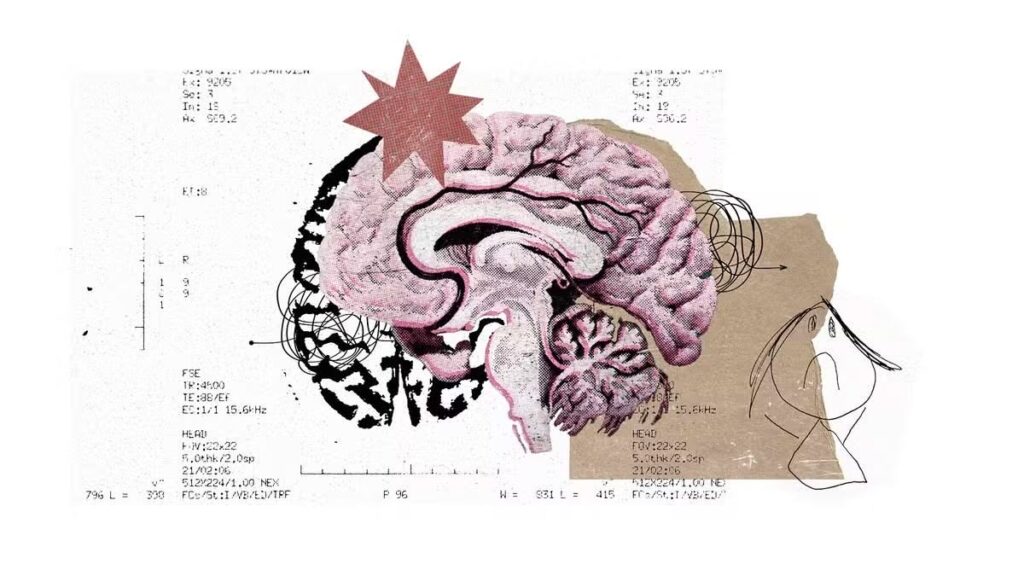
Psychology is the scientific study of behavior, cognition, emotion, and mental processes, examining how individuals think, feel, act, and interact with others and their environments. While neurology focuses on the biological nervous system, psychology explores the mind’s functioning at multiple levels—from unconscious processes and emotional regulation to social dynamics, personality development, and learning. Psychology encompasses both research (understanding fundamental mechanisms) and applied practice (therapy, counseling, education, organizational work), making it essential for addressing mental health, human development, and societal well-being.
What Psychology Is
Psychology integrates multiple perspectives:
• Biological psychology examines how brain structure, neurotransmitters, and genetics influence behavior.
• Cognitive psychology studies perception, memory, language, problem-solving, and decision-making.
• Developmental psychology traces how people change across the lifespan—from infancy to old age.
• Social psychology investigates how individuals are influenced by groups, culture, and relationships.
• Clinical and counseling psychology focuses on diagnosing and treating mental, emotional, and behavioral disorders.
• Experimental psychology uses rigorous methods to test hypotheses about behavior and cognition.
Unlike psychiatry, which is a medical specialty that can prescribe medication, psychology primarily employs non-medical interventions such as psychotherapy, behavioral training, and cognitive-behavioral techniques. However, psychologists often collaborate with physicians, neurologists, and other healthcare professionals in integrated care models.
Why Psychology Is Important
Psychology is vital because mental and behavioral health profoundly impacts physical health, quality of life, productivity, and societal stability. Mental disorders—such as depression, anxiety, schizophrenia, bipolar disorder, and substance use disorders—are among the leading causes of disability worldwide, affecting hundreds of millions of people. Psychological interventions can prevent, manage, and often reverse these conditions, reducing suffering and healthcare costs.
Psychology also enhances understanding of everyday human experiences:
• It explains how people learn, form habits, regulate emotions, and build relationships.
• It informs education systems, workplace practices, public policy, and legal frameworks.
• It helps address critical societal challenges like discrimination, addiction, trauma, poverty, and conflict.
• It contributes to improving well-being, resilience, and life satisfaction across populations.
From a public health perspective, psychology is essential for mental health promotion, early intervention, crisis response, and community-based support. As global stressors increase—from climate change to economic instability—psychological expertise becomes increasingly crucial for building resilient individuals and communities.
Futuristic Approaches in Clinical Application and Society Development
The future of psychology is being transformed by emerging technologies, interdisciplinary integration, and novel conceptual frameworks:
- AI-Driven Personalized Therapy and Digital Mental Health
Artificial intelligence is enabling highly personalized mental health care. AI algorithms can analyze speech patterns, facial expressions, text, and physiological data to detect early signs of depression, anxiety, or suicidal risk. Digital therapeutics—including AI-powered chatbots, virtual reality (VR) therapy, and mobile apps—deliver scalable, evidence-based interventions for conditions like PTSD, anxiety, and insomnia. These tools can adapt to individual needs in real-time, offering continuous support outside traditional clinic settings. - Neuroplasticity-Based Cognitive Enhancement
Advances in understanding neuroplasticity—the brain’s ability to reorganize and form new neural connections—are driving new rehabilitation and enhancement strategies. Cognitive training programs, VR-based simulations, and neurofeedback techniques are being developed to strengthen memory, attention, and emotional regulation. In the future, these approaches may help reverse cognitive decline in aging, accelerate learning, or enhance performance in healthy individuals. - Integration with Neuroscience and Neuromodulation
Psychology is increasingly merging with neuroscience to create more precise treatments. Techniques like transcranial magnetic stimulation (TMS), deep brain stimulation (DBS), and vagus nerve stimulation are being combined with psychotherapy to treat severe depression, PTSD, and addiction. Future interventions may target specific neural circuits implicated in psychological disorders, enabling “circuit-based psychiatry” that complements traditional behavioral therapies. - Gene-Environment Interactions and Precision Psychology
Research into how genetic variants interact with environmental factors (epigenetics) is paving the way for precision psychology. By understanding an individual’s genetic profile and life history, clinicians can predict vulnerability to mental disorders and tailor interventions accordingly. This approach could prevent conditions before they emerge and optimize treatment selection. - Virtual Reality and Immersive Therapies
VR is revolutionizing exposure therapy, social skills training, and pain management. Patients with PTSD can safely confront traumatic memories in controlled virtual environments. Individuals with social anxiety can practice interactions in realistic simulations. Future VR systems may offer fully immersive, AI-guided therapeutic experiences that adapt to the user’s emotional state, making therapy more engaging and effective. - Brain-Computer Interfaces for Psychological Restoration
As brain-computer interfaces (BCIs) advance, they may restore communication in individuals with severe aphasia, enable movement control in paralysis, or even modulate mood and cognition in real-time. BCIs could also support neurorehabilitation after stroke or trauma, helping patients regain lost functions through assisted neural plasticity. - Society-Level Transformations
Futuristic psychology will reshape society in profound ways:
• Education systems may adopt personalized, AI-driven learning models that optimize cognitive development and emotional well-being.
• Workplaces will use psychological insights to enhance employee resilience, creativity, and collaboration, potentially integrating mental health monitoring into organizational culture.
• Legal and ethical frameworks will need to address issues like cognitive privacy, neural data ownership, mental autonomy, and the ethics of cognitive enhancement.
• Public policy will increasingly prioritize mental health infrastructure, community support, and preventive interventions to reduce societal burdens of psychological disorders.
• Global challenges like climate anxiety, migration trauma, and digital overload will require new psychological models for coping, adaptation, and collective resilience. - Preventive and Population Psychology
Future psychology will shift from treating disorders to preventing them. Large-scale data collection, wearable sensors, and AI analytics will enable early detection of risk factors for mental illness. Community-based interventions, public health campaigns, and school programs will promote psychological resilience from childhood, reducing the incidence of disorders later in life.