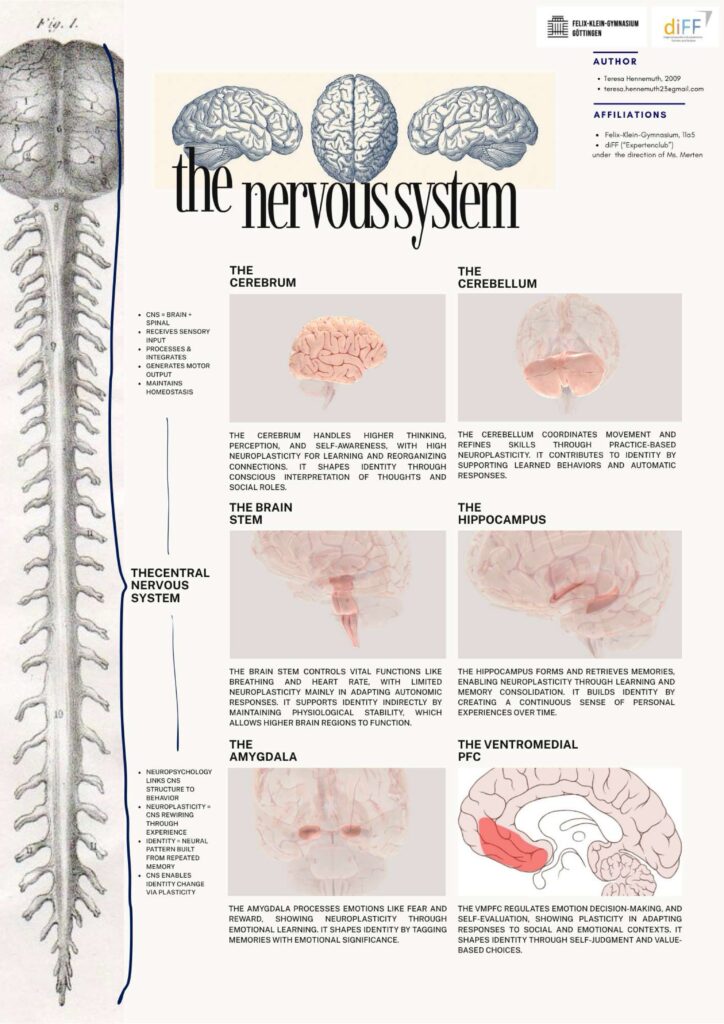
Neurology is the branch of medicine dedicated to the study, diagnosis, and treatment of disorders affecting the nervous system—the brain, spinal cord, peripheral nerves, muscles, and the blood vessels that supply them. Unlike neuroscience, which is the broader scientific study of the nervous system’s structure and function, neurology applies this knowledge clinically to prevent, manage, and cure neurological diseases such as stroke, epilepsy, Parkinson’s disease, Alzheimer’s disease, multiple sclerosis, neuromuscular disorders, and chronic pain.
Why Neurology Is Important
Neurology is crucial because the nervous system governs every aspect of human existence: it controls breathing, movement, thought, emotion, memory, and behavior. Neurological disorders are among the most leading causes of disability and death worldwide, affecting billions of people and imposing enormous healthcare, economic, and social burdens. Early diagnosis and intervention in neurology can prevent symptoms from worsening and dramatically improve patients’ quality of life. Furthermore, understanding normal nervous system function illuminates what goes wrong in disease, enabling researchers to develop preventive strategies and targeted treatments.
From a societal perspective, neurology underpins public health, aging care, rehabilitation, mental health integration, and even legal and ethical frameworks surrounding consciousness, cognition, and decision-making. As populations age, the prevalence of neurodegenerative diseases rises, making neurology increasingly central to healthcare systems.
Futuristic Approaches in Clinical Application and Society Development
The future of neurology is being shaped by several transformative technologies and conceptual shifts:
- Artificial Intelligence and Precision Medicine
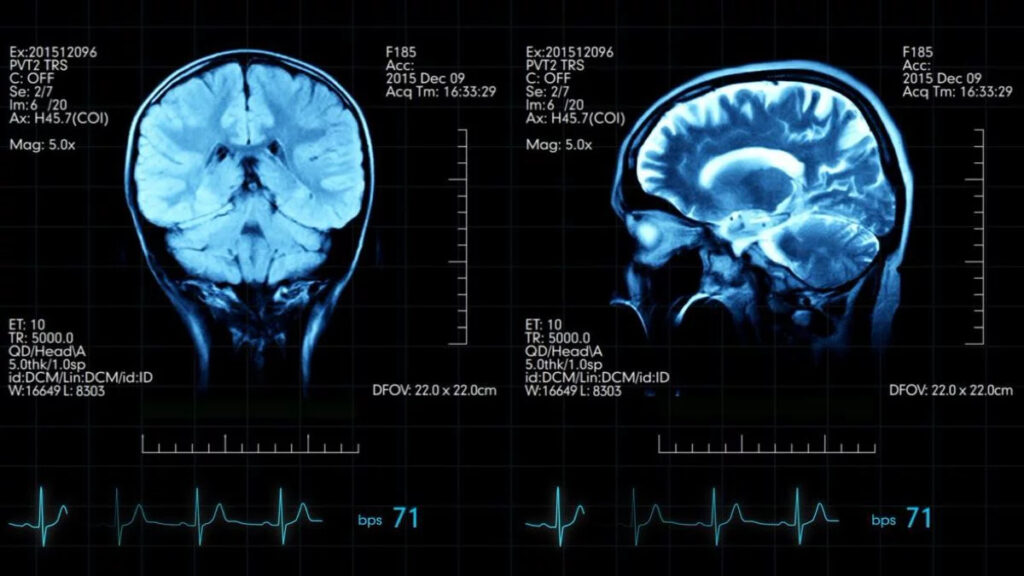
AI is revolutionizing clinical neurology by integrating multimodal data—imaging, clinical records, and genomic profiles—to deliver richer diagnostic insights and personalized treatment plans. AI algorithms can detect subtle patterns in MRI or EEG scans that human clinicians miss, enabling earlier diagnosis of conditions like Alzheimer’s or epilepsy. This advances precision medicine, where therapies are tailored to individual genetic and biological profiles.[practicalneurology] - Gene Therapy and Antisense Oligonucleotides
Gene therapy is emerging as a powerful tool for inherited neuromuscular and neurodegenerative disorders. Approaches like exon-skipping using antisense oligonucleotides are already being used in Duchenne muscular dystrophy and hold promise for other hereditary conditions. These therapies aim to correct or compensate for defective genes, potentially offering one-time curative treatments rather than lifelong symptom management.[nih] - Stem Cell and Cellular Therapies
Stem-cell therapy is being explored to regenerate damaged nervous tissue, particularly in inherited neuromuscular disorders and Parkinson’s disease. Cellular therapies aim to restore populations of dopaminergic neurons in the basal ganglia, potentially reversing motor symptoms. Future advances may enable replacement of lost neurons in Alzheimer’s or spinal cord injury.[nih] - Advanced Neuromodulation
Beyond traditional deep brain stimulation (DBS), new neuromodulation techniques are emerging:
• Transcranial magnetic stimulation (TMS) and transcranial direct current stimulation (tDCS) for non-invasive modulation of brain activity in depression, Parkinson’s, and chronic pain.[nih]
• Closed-loop DBS systems that adapt stimulation in real-time based on neural feedback, improving efficacy in epilepsy and movement disorders.[nih]
• New, more precise DBS targets are being identified using advanced imaging and AI.[nih] - Brain-Computer Interfaces (BCIs)
BCIs are advancing rapidly, enabling direct communication between the brain and external devices. These could restore movement in paralyzed patients, enable speech in those with aphasia, or allow control of prosthetics through thought alone. In the future, BCIs may enhance cognition, support neurorehabilitation, or even enable “neural augmentation” for healthy individuals. - Neuroplasticity-Based Rehabilitation
Harnessing the brain’s capacity for neuroplasticity—its ability to reorganize and form new connections—is central to future rehabilitation strategies. Digital therapeutics, virtual reality, and gamified therapies could personalize and optimize recovery after stroke, trauma, or in neurodegenerative conditions. - Society-Level Implications
Futuristic neurology will also reshape society:
• Ethical frameworks will need to address neural data privacy, cognitive enhancement, and autonomy in the age of BCIs and AI-driven diagnostics.
• Education and workforce systems may adapt to longer cognitive health spans and new forms of neural augmentation.
• Public policy will need to ensure equitable access to advanced neurological treatments and prevent disparities in brain health.
Here is another research poster, which was Part of my research exhibition on June 16th 2026 in the FKG in Göttingen: